admin -

Author name: admin

Blog

Top 5 Apps to Track Your Fitness Progress in 2025 App reviews

Top 5 Apps to Track Your Fitness Progress in 2025 📱💪 Tracking your fitness journey — workouts, nutrition, cardio, recovery, or overall health — has become much easier thanks to mobile apps. A good fitness-tracking app can help you stay accountable, measure progress, and adjust your routine intelligently. In 2025, several apps stand out above the rest because of their features, reliability, ease of use, and community support. Here are five of the best, each with its strengths and ideal use cases. 1. MyFitnessPal — Best for Nutrition, Calorie & Macro Tracking Why it stands out:MyFitnessPal remains one of the most powerful apps for tracking diet, nutrition, macros, and overall calorie balance. Its massive food database — millions of food items contributed by users worldwide — makes it especially useful. TechLife+2fitness-weekly+2 Key Features: Tracks calories, macronutrients and micronutrients, water intake, weight changes. TechLife+1 Barcode scanner for packaged foods (premium), and ability to log home-cooked meals. TechLife Syncs with many fitness wearables and other fitness apps (so workouts logged elsewhere can reflect in your nutrition balance) TechLife+1 Helpful if your goal is fat loss, weight maintenance, muscle gain — anywhere you need to manage calories and macros carefully. fitness-weekly+1 Where it may feel limiting:Some users find the interface a bit cluttered. fitness-weekly+1 Premium features (barcode scanning, custom macro goals, ad-free experience) are behind a paywall. TechLife+1 Who should use it:Anyone who wants to track their nutrition closely — especially useful for weight loss, muscle-gain diets, or balanced eating plans with defined macro goals. 2. Fitbit (App + Wearables) — Best for Overall Health & Daily Activity Tracking Why it stands out:Fitbit’s app, especially when paired with a Fitbit wearable, gives you a holistic view of daily activity: steps, heart rate, sleep, workouts, and overall readiness. It’s not just about workouts — it helps you monitor lifestyle and recovery too. DevOps School+2appstimes.in+2 Key Features: Tracks daily steps, distance, calories burned, various activities (walk, run, yoga, etc.) DevOps School+1 Continuous heart rate monitoring, and for many devices, even sleep tracking and stress/ wellness metrics. DevOps School+1 “Daily Readiness Score” or similar features (depending on wearable) that assess if your body is ready for a heavy workout — useful to avoid overtraining. appstimes.in+1 Good for people who want to track everyday health habits, not just training sessions. appstimes.in+1 Where it may feel limiting:Many of its best features (sleep tracking, readiness, advanced analytics) are available only if you own a compatible Fitbit device. DevOps School+1 Who should use it:Anyone looking for a comprehensive overview of daily activity, recovery, and general health — especially if you want long-term lifestyle tracking (not just periodic workouts). 3. Strava — Best for Running, Cycling, Outdoor Activities & Community Motivation Why it stands out:If you run, cycle, or do outdoor activities, Strava remains arguably the best choice in 2025. It combines activity tracking with GPS mapping, route logging, community leaderboard challenges, and social motivation. lifetrails.ai+2Blog By Malomaal+2 Key Features: GPS-based tracking: records distance, pace, elevation, route map — for running, cycling, walking, and many more activities. lifetrails.ai+1 Segment leaderboards & community features — lets you compare efforts, join challenges, follow friends, share workouts. lifetrails.ai+1 Detailed performance analytics (pace over time, weekly/monthly summaries, heart-rate zone analysis if connected to wearable) for premium users. lifetrails.ai+1 Great for motivation — many people stick to running/cycling when they can see progress, compete, and share. Blog By Malomaal+1 Where it may feel limiting:It’s primarily built for cardio/outdoor activities — less useful if your main focus is gym strength training or indoor workouts. Advanced features (training plans, power/heart-rate zone analytics, route builder) require a paid subscription. lifetrails.ai+1 Who should use it:Runners, cyclists, walkers, hikers — or anyone who enjoys outdoor exercise and thrives on community motivation, challenges, and tracking progress over time. 4. Fitbod — Best for Strength Training, Gym & Progressive Workouts Why it stands out:Fitbod uses smart algorithms to recommend workout plans based on your fitness level, available equipment, and recovery status. It’s ideal if you lift weights (at home or gym) or follow structured strength routines. EliteTop10+2synergylabs.co+2 Key Features: Adaptive strength-training plans that change as you progress and recover. rfitness.in+1 Detailed tracking of sets, reps, weights; tracks muscle “fatigue”/recovery so you don’t overtrain and get optimal results. synergylabs.co+1 Video demonstrations, exercise tips, and guidance — especially helpful if you workout at home without a coach. EliteTop10+1 Syncs with health platforms (like Apple Health or other trackers) to consolidate data. EliteTop10+1 Where it may feel limiting:It’s more focused on strength training — not ideal for cardio, nutrition, or holistic health tracking. Also, advanced features may be behind a subscription. EliteTop10+1 Who should use it:People who lift weights regularly, want structured progression in strength training, or those working out at home and needing a smart plan to avoid plateaus and injury. 5. Nike Training Club (NTC) — Best for Guided Workouts, Variety & Beginners Why it stands out:Nike Training Club is like having a personal trainer on your phone. It offers a wide variety of workouts — strength, HIIT, yoga, mobility, endurance — for all fitness levels, often without equipment. Perfect for those who want guided sessions and structure. DevOps School+2howto+2 Key Features: Hundreds of workouts for free — from 5 minutes to 60 minutes, covering many training goals (strength, mobility, fat loss, endurance). DevOps School+1 Workouts designed by professional trainers, with clear videos and instructions — great for beginners or those who prefer guidance. bloxcrave.com+1 Flexibility: no equipment needed for many routines — ideal for home workouts. TechLife+1 Integration with health platforms (Apple Health, Google Fit) for basic tracking. howto+1 Where it may feel limiting:While it’s excellent for workouts and variety, it lacks detailed nutrition tracking, macro logging, and advanced analytics compared to apps like MyFitnessPal or Fitbod. Stay Fit Forever+1 Who should use it:Beginners, people who need structured workouts, or anyone who wants to keep their training varied without worrying about designing routines. 🧭 Quick Guide: Which App for What Goal? Your Goal / Need Best App(s) Calorie / macro / nutrition

Blog

Yoga for Strength and Flexibility:Beginner Poses Photos + benefits

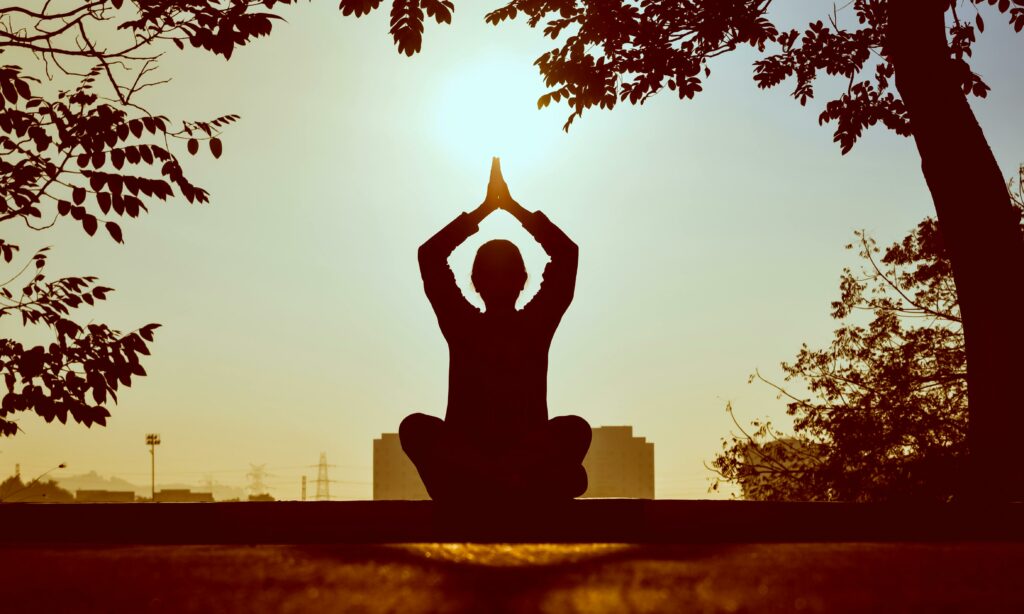
Yoga for Strength and Flexibility: 7 Beginner Poses (Photos + Benefits) Yoga has long been celebrated for its power to build flexibility, improve balance, strengthen muscles, and calm the mind. While many people associate yoga with slow stretching, it actually provides a complete workout that improves strength and mobility together. Whether you’re a beginner or restarting your fitness journey, incorporating just a few key yoga poses into your daily routine can help you move better, feel lighter, and even prevent injuries. In this blog, we’ll explore 7 beginner-friendly yoga poses designed specifically to improve strength and flexibility, along with step-by-step instructions, visual descriptions, and their benefits. Why Yoga for Strength and Flexibility? Yoga for Strength and Flexibilit Many workouts build strength but make your muscles stiff. Yoga does both:✔ Builds lean functional strength✔ Lengthens tight muscles (hamstrings, chest, back)✔ Improves mobility and joint range of motion✔ Enhances balance & posture✔ Reduces stress and muscle tension With consistent practice—even 10 to 20 minutes daily—you’ll notice improved posture, deeper breathing, and increased energy levels. 7 Beginner Yoga Poses for Strength & Flexibility Below are seven essential poses. Each includes: Photo-style description Step-by-step guide Target muscles Benefits 1. Mountain Pose (Tadasana) Visual: A person standing tall with feet together, arms relaxed by sides, back straight. How to do it Stand with feet together or hip-width apart. Press your feet into the ground. Keep your spine tall, shoulders relaxed. Lift your chest slightly and breathe deeply. Strength Focus: Core, legs, posture muscles Benefits: Improves body alignment Strengthens legs and core Enhances balance Reduces tension in shoulders 2. Downward Facing Dog (Adho Mukha Svanasana) Visual: Body forms an upside-down V shape; hands and feet pressing into the floor. How to do it Start in a plank position. Lift your hips upward, forming a V shape. Press through your palms. Try to keep heels moving toward the floor. Hold for 20–30 seconds. Strength Focus: Arms, shoulders, core Flexibility Focus: Hamstrings, calves, spine Benefits: Lengthens entire back body Improves shoulder mobility Builds upper-body endurance Relieves lower back tightness 3. Yoga for Strength and Flexibilit Cat-Cow Stretch (Marjaryasana–Bitilasana) Visual: Cat pose – rounded back like a stretching cat. Cow pose – belly lowered, chest lifted. How to do it Come on your hands and knees. Cow Pose: Drop belly, lift chest, look forward. Cat Pose: Round your spine upward, tuck chin to chest. Move slowly between both for 10–15 reps. Strength Focus: Core, spine stabilizer Yoga for Strength and Flexibilit Flexibility Focus: Back, chest, neck Benefits: Improves spinal mobility Reduces back pain Warms up body before intense workouts Enhances breathing rhythm 4. Warrior I (Virabhadrasana I) Visual: One leg forward in a lunge, back leg straight, arms reaching overhead. How to do it Step your right leg forward into a lunge. Turn your left foot slightly outward. Bend front knee at 90 degrees. Raise both arms upward, keeping spine tall. Hold for 20–30 seconds; switch sides. Strength Focus: Quads, glutes, calves, shoulders Flexibility Focus: Hip flexors, chest Benefits: Builds leg power Opens the chest Improves balance and endurance Strengthens core 5. Warrior II (Virabhadrasana II) Visual: Wide stance, front knee bent, arms extended parallel to ground. How to do it Spread your legs wide. Bend the front knee. Stretch both arms out to the sides. Keep your gaze over the front hand. Hold for 20–40 seconds. Strength Focus: Legs, glutes, shoulders Flexibility Focus: Hips, groin Benefits: Builds strong legs and hips Increases hip mobility Improves stability Excellent for building endurance 6. Child’s Pose (Balasana) Visual: Kneeling on floor, body folded forward, arms stretched ahead. How to do it Sit on your knees. Fold forward, lowering chest to thighs. Stretch arms forward. Breathe deeply and hold for 30–60 seconds. Strength Focus: (Gentle pose; minimal strength) Flexibility Focus: Back, hips, shoulders Benefits: Relaxes nervous system Reduces back and hip tension Improves flexibility safely Perfect recovery pose 7. Cobra Pose (Bhujangasana) Visual: Lying on stomach with chest lifted, elbows bent close to body. How to do it Yoga for Strength and Flexibilit Lie flat on your stomach. Place palms under shoulders. Press upward, lifting chest. Keep elbows close and shoulders relaxed. Hold for 20–25 seconds. Strength Focus: Lower back, glutes, arms Flexibility Focus: Chest, spine, abdominals Benefits: Strengthens spine Opens tight chest muscles Improves posture Reduces slouching-related back pain How to Combine These Poses into a 15-Minute Routine You can use these poses as a mini yoga workout: Warm-Up (3 minutes) Cat-Cow: 10–12 reps Mountain Pose: 30 seconds breathing Main Sequence (9 minutes) Yoga for Strength and Flexibilit Downward Dog – 30 seconds Warrior I – 30 seconds each side Warrior II – 30 seconds each side Cobra Pose – 20 seconds Cool Down (3 minutes) Yoga for Strength and Flexibilit Child’s Pose – 1 minute Easy breathing in Mountain Pose – 30 seconds Repeat the main sequence twice if you want a longer session. Tips for Beginners Yoga for Strength and Flexibilit 🔹 Start slow—don’t push into pain🔹 Focus on breathing; inhale during lifts, exhale during bends🔹 Use yoga blocks or cushions if flexibility is low🔹 Practice consistently—5 minutes is better than nothing🔹 Warm up before deep stretches Final Thoughts Yoga for Strength and Flexibilit Yoga is one of the most effective ways to build strength, improve flexibility, and enhance mind-body awareness. These 7 beginner-friendly poses form a complete routine that strengthens your muscles, increases mobility, and boosts overall fitness. With daily practice, you’ll feel less stiffness, more confidence, and greater control over your body.

Blog

Nutrition Tips to Boost Your Workout Performance Pre/post-workout meals

Nutrition Tips to Boost Your Workout Performance (With Pre & Post-Workout Meals)  Your workout results don’t depend only on training — nutrition plays a huge role in how well you perform, how much energy you have, and how fast you recover. Eating the right foods at the right time can dramatically improve strength, endurance, muscle growth, and fat loss. Whether you’re a beginner or an advanced athlete, understanding workout nutrition will help you push harder and recover faster. In this 1000-word detailed guide, you’ll learn 8 science-backed nutrition tips, plus the best pre and post-workout meals to fuel your training efficiently. Why Workout Nutrition Matters Food is not just calories — it’s fuel. What you eat before a workout provides energy, and what you eat after helps repair muscles, restore glycogen, and boost recovery. Without proper nutrition: You get tired faster Muscles fatigue early Recovery slows down Strength and performance drop You risk injury Simple changes in your diet can significantly improve your training outcomes. 1. Prioritize Carbs Before Your Workout Carbohydrates are your body’s primary source of energy. When you eat carbs, your muscles store them as glycogen — the fuel your body uses during exercise. Why It Matters: Low glycogen = low energy = low performance. Best Pre-Workout Carbs: Oats Bananas Brown rice Whole-wheat bread Sweet potatoes Fruits Dalia or poha Ideal Timing: Eat carbs 60–90 minutes before your workout. Example: 1 banana + 1 scoop peanut butter, or oats with fruit. 2. Include Lean Protein for Muscle Support Protein provides amino acids, which help build, repair, and maintain muscle. Why It Matters: Without enough protein, your body breaks down muscle tissue during workouts. Protein Options (Veg + Non Veg): Eggs Chicken breast Greek yogurt Paneer Soya Lentils (dal) Whey protein Chickpeas Timing: Consume a protein-rich meal 1–2 hours before training. 3. Stay Hydrated — Before, During, and After Training Even 2% dehydration can reduce performance, strength, and endurance. Signs of Dehydration: Dry mouth Headache Low energy Muscle cramps Dizziness What to Drink: Water Coconut water Electrolyte drinks (if sweating heavily) Drink 1 glass of water 30 minutes before exercise and sip water throughout your session. 4. Choose Balanced Pre-Workout Meals A good pre-workout meal should include: ✔ Carbs → Energy ✔ Protein → Muscle support ✔ Small amount of healthy fats → Sustained performance Best Pre-Workout Meal Ideas: 1. Oats + banana + honey2. Peanut butter sandwich3. Greek yogurt + berries4. Boiled eggs + fruit5. Dalia or upma + nuts Avoid: Very spicy food Heavy fatty meals Fried foodBecause they slow digestion and reduce workout comfort. 5. Refuel Quickly After Your Workout Your body needs nutrients ASAP after training. Key Goals of Post-Workout Nutrition: Restore glycogen Rebuild muscle tissue Reduce soreness Support recovery What to Eat: A combination of protein + fast-digesting carbs. Best Post-Workout Carb Options: Banana Rice Fruit juice White bread Potatoes Best Post-Workout Protein Options: Whey protein shake Eggs Paneer Chicken Curd (dahi) Legumes Ideal Timing: Eat within 45 minutes after your workout. 6. Add Healthy Fats — But Not Right Before Workout Healthy fats are essential for hormones, recovery, brain function, and joint health. Great Sources: Almonds Walnuts Avocado Olive oil Flax seeds Chia seeds Important Note: Avoid heavy fats right before workout because they slow digestion and can cause discomfort. Use fats more in meals > 2 hours before activity or after training. 7. Don’t Train on an Empty Stomach (Unless Doing Fasted Cardio) Many people skip meals before training to “burn more fat,” but this often leads to: Weak performance Low strength Early fatigue Dizziness Muscle loss When Fasted Training is OK: Light morning walking Low-intensity cardio Not Ideal For: Strength training HIIT Heavy workouts Even a small snack (banana or yogurt) before training is better than nothing. 8. Use Supplements Wisely (Optional, Not Required) Supplements help only when your diet is already good. They are not magic. Helpful Supplements: ✔ Whey Protein: Quick recovery✔ Creatine: Strength + muscle gain✔ Electrolytes: For heavy sweaters✔ Caffeine: Energy + focus (½ cup coffee before workout) Not Necessary Supplements: ✘ Fat burners✘ Mass gainers (unless you need high calories) Start with whole foods, add supplements only if required. Best Pre-Workout Meal Examples Here are simple and effective meals for maximum energy: 1. Banana + peanut butter Fast energy + healthy fats. 2. Oats + fruit + honey Perfect combo of slow and fast carbs. 3. Roti + egg whites Balanced Indian-style pre-workout. 4. Curd + muesli Light and ideal for morning workouts. 5. Coffee + fruit Quick boost for busy people. Best Post-Workout Meal Examples Your post-workout meal should help muscle recovery and refill energy stores. 1. Whey protein + banana Popular and effective. 2. Rice + egg whites or chicken Fast-digesting carbs + lean protein. 3. Paneer + fruit bowl Perfect for vegetarians. 4. Dahi + jaggery + nuts Improves digestion + recovery. 5. Smoothie: Banana + milk + oats + chia + protein powder. Bonus: What to Avoid for Better Workout Performance ❌ Heavy oily food before workouts Slows digestion, reduces energy. ❌ Sugary snacks Energy crash comes quickly. ❌ Skipping meals Low energy and reduced muscle growth. ❌ Too much caffeine Causes jitters, dehydration. ❌ Working out with an empty stomach (for strength/HIIT) Small improvements in diet = big improvement in workout quality. Sample Daily Nutrition Plan for Better Workout Performance Morning:Oats + fruit + nutsorEggs + toast. Pre-Workout (60 minutes before):Banana / yogurt / peanut butter toast. Post-Workout:Whey shake + fruitorRice + paneer/chicken. Dinner:High protein meal: dal, paneer, fish, chicken + vegetables. Hydration:2–3 liters water daily + electrolytes if sweating heavily. Final Thoughts Fueling your body properly can turn an average workout into a powerful, high-energy training session. When you combine carbs, protein, hydration, and smart meal timing, your body performs better and recovers faster. These 8 nutrition tips, along with the recommended pre and post-workout meals, will help you stay energized, build muscle, burn fat, and improve your overall fitness.

Blog

Full-Body Dumbbell Workout Plan at Home 5–6 moves with progression

Full-Body Dumbbell Workout Plan at Home: 5–6 Powerful Moves with Progression (1000-Word Guide) Training at home doesn’t require fancy machines or a full gym setup. With just a pair of dumbbells, you can build strength, burn fat, increase mobility, and transform your physique. A full-body dumbbell routine is one of the most efficient ways to train because it targets multiple muscle groups at once, boosts metabolism, and improves functional fitness. This complete 1000-word blog gives you a simple 5–6 move full-body routine, including beginner, intermediate, and advanced progression so you can increase intensity as you grow stronger — all from home. Why Full-Body Dumbbell Workouts Are Effective A full-body workout means you train all major muscle groups — chest, back, legs, arms, core, and shoulders — in one session. This method offers several benefits: You burn more calories in less time You increase overall strength and muscle balance You improve posture and joint mobility You need fewer workout days Perfect for busy schedules Ideal for home training When you train your entire body in one session, your metabolism increases for hours, making fat loss faster and recovery more efficient. Warm-Up (3–5 Minutes) Before starting the dumbbell session, do a quick warm-up to activate muscles: Arm circles – 20 seconds Hip openers – 10 reps Bodyweight squats – 10 reps Marching or jogging in place – 1 minute Now you’re ready. The 6 Best Dumbbell Moves for Full-Body Training These exercises hit all major muscles. You can choose 5–6 exercises depending on your goal, but the complete routine is listed here. Each move includes: How to perform it Muscles targeted Progression levels (Beginner → Intermediate → Advanced) 1. Dumbbell Squat to Press (Thruster) A total-body powerhouse movement combining legs and shoulders. How to Do It: Stand with feet shoulder-width apart, dumbbells at shoulder level. Perform a squat by pushing hips back. As you stand up, press the dumbbells overhead. Lower them slowly back to the starting position. Muscles Targeted: Legs, glutes, shoulders, core. Progression: Beginner: Light dumbbells, 10 reps Intermediate: Moderate weight, 12–15 reps Advanced: Heavy weight + 1-second pause at the bottom, 15–20 reps 2. Dumbbell Bent-Over Row Builds your back, improves posture, and strengthens the arms. How to Do It: Slightly bend your knees and hinge forward at the hips. Keep your back straight. Pull the dumbbells toward your hips. Squeeze the shoulder blades together. Lower slowly. Muscles Targeted: Upper back, lats, biceps. Progression: Beginner: 10–12 reps Intermediate: 12–15 reps with moderate weight Advanced: Heavy weight + hold the squeeze for 2 seconds 3. Dumbbell Reverse Lunge A functional lower-body movement to strengthen legs and improve stability. How to Do It: Stand straight with dumbbells at your sides. Step backward into a lunge. Lower both knees to 90 degrees. Push back to starting position. Repeat on the other leg. Muscles Targeted: Glutes, hamstrings, quads, core. Progression: Beginner: 8 reps per leg Intermediate: 10–12 reps per leg Advanced: Add a dumbbell bicep curl while lunging 4. Dumbbell Floor Chest Press The perfect home alternative to the bench press. How to Do It: Lie on the floor with knees bent. Hold dumbbells at chest level. Press them upward until arms are straight. Lower until elbows lightly touch the ground. Muscles Targeted: Chest, triceps, shoulders. Progression: Beginner: 10 reps Intermediate: 12–15 reps Advanced: Slow negative (3-second lowering) + heavier weight 5. Dumbbell Deadlift A crucial movement for overall strength and fat loss. How to Do It: Stand with dumbbells in both hands. Hinge at the hips (not rounding back). Lower the dumbbells to mid-shin height. Stand back up by driving your hips forward. Muscles Targeted: Glutes, hamstrings, lower back, core. Progression: Beginner: 10 reps Intermediate: 12–15 reps Advanced: Use heavy dumbbells + pause at the bottom 6. Dumbbell Russian Twists (Optional for Core Finisher) How to Do It: Sit with knees bent, holding one dumbbell. Lean slightly back. Rotate torso to each side. Muscles Targeted: Abs, obliques, core. Progression: Beginner: Feet on the ground, 20 twists Intermediate: Lift feet slightly Advanced: Heavy dumbbell + slow rotations Full Workout Structure (Follow This Routine) This structure keeps your workout simple and effective. Choose the progression level based on your current fitness. Beginner Full-Body Dumbbell Plan 3 days per week (e.g., Mon, Wed, Fri)Rest: 45–60 seconds between sets Dumbbell Squat to Press – 10 reps Bent-Over Row – 10 reps Reverse Lunge – 8 reps each leg Floor Chest Press – 10 reps Dumbbell Deadlift – 10 reps Russian Twists – 20 reps Complete 2–3 rounds total. Intermediate Full-Body Dumbbell Plan 3–4 days per weekRest: 30–45 seconds between sets Dumbbell Squat to Press – 12–15 reps Bent-Over Row – 12–15 reps Reverse Lunge with Curl – 10–12 reps Floor Chest Press – 12–15 reps Dumbbell Deadlift – 12–15 reps Russian Twists – 30 reps Complete 3–4 rounds total. Advanced Full-Body Dumbbell Plan 4 days per week (e.g., Mon/Tue/Thu/Sat)Rest: 20–30 seconds between sets Squat to Press – 15–20 reps (heavy) Bent-Over Row (2-sec hold) – 15 reps Reverse Lunge with Curl – 12–15 reps Floor Chest Press (slow negative) – 15 reps Dumbbell Deadlift – 15–20 reps Russian Twists – 40 reps Complete 4–5 rounds total. This is a tough, high-intensity routine that builds strength AND burns fat. How to Progress Each Week Progression ensures consistent muscle growth and calorie burn. Week 1 → Week 4 Progression Plan Increase dumbbell weight when reps become easy Add 2–3 extra reps per exercise Reduce rest time by 5–10 seconds Add 1 more round after 2 weeks Use tempo training ( slow 3-second lowering ) Even small upgrades create big results. Tips for Best Results at Home 1. Maintain Proper Form Quality > quantity. A good rep is better than 20 bad reps. 2. Train Consistently At least 3 days a week for visible changes. 3. Focus on Diet A balanced high-protein diet accelerates fat loss and muscle gain. 4. Track Your Progress Record weights, reps, and performance weekly. 5. Don’t Skip Warm-Up or Cool-Down This prevents injuries

Blog

The Best Warm-Up & Cool-Down Exercises Before and After Workout Step by step stretches

The Best Warm-Up & Cool-Down Exercises Before and After a Workout Whether you are lifting weights, running, doing yoga, or training for fat loss, one thing remains constant: your body needs proper warm-up and cool-down routines. Most people skip these two essential parts and jump straight into exercise — but this increases the risk of injury, reduces performance, and slows recovery. A good warm-up prepares your muscles, joints, and heart, while a cool-down brings your body back to a relaxed, safe state. In this complete 1000-word guide, you’ll learn the best warm-up and cool-down exercises, step-by-step stretches, and how to improve your performance with proper preparation and recovery. Why Warm-Up Is Important A warm-up is not optional; it’s a physiological requirement for your body before any intense movement. A proper warm-up: Increases blood flow to muscles Activates joints and tissues Improves flexibility Increases core temperature Enhances reaction time Prepares the mind for the workout Reduces injury risk When your body is warm, it becomes more flexible, fast, and powerful. The Best Warm-Up Routine (10–15 Minutes) A complete warm-up should include: Light Cardio (2–3 minutes) Dynamic Stretching (4–5 minutes) Joint Mobility (2–3 minutes) Specific Activation (3–4 minutes) depending on the workout Below is a step-by-step guide. 1. Light Cardio (2–3 Minutes) This wakes up the body and increases heart rate gradually. a. Jog in Place – 1 minute Stand tall and start jogging in place. Keep your shoulders relaxed and maintain rhythmic breathing. b. High Knees – 30 seconds Lift your knees to hip height. Move arms naturally like sprinting. Maintain a quick pace. c. Butt Kicks – 30 seconds Kick your heels toward your glutes. Keep chest up and core tight. This quick cardio increases body temperature, preparing the muscles for movement. 2. Dynamic Stretching (4–5 Minutes) Dynamic stretches help lengthen muscles without slowing them down. They are perfect before workouts. a. Leg Swings – 10 reps per leg How to do it: Hold a wall or support. Swing one leg forward and backward. Keep the movement controlled and smooth. Benefits:Opens hips, improves hamstring and quad mobility. b. Arm Circles – 20 seconds forward, 20 seconds backward How to do it: Stand straight with arms extended. Circle arms small to large in motion. Benefits:Prepares shoulders, chest, and upper back for push or pull movements. c. Walking Lunges – 10 reps per side How to do it: Step forward into a lunge. Lower body until knees reach 90 degrees. Stand and step forward with other leg. Benefits:Activates quads, glutes, hamstrings, and core. d. Hip Openers (World’s Greatest Stretch) – 5 reps each side How to do it: Step into a lunge. Place hands on the ground. Rotate upper body and reach arm to the sky. Benefits:Loosens spine, hips, and shoulders — perfect for all workout types. e. Standing Toe Touch to Overhead Reach – 10 reps How to do it: Bend forward to touch toes. Slowly rise and reach arms overhead. Benefits:Stretches hamstrings and activates core. 3. Joint Mobility (2–3 Minutes) Joint mobility reduces stiffness and prepares your joints for multi-directional movements. a. Ankle Circles – 10 each side Ensures ankle stability, important for running and leg workouts. b. Hip Circles – 10 rotations each side Helps reduce tightness in lower body. c. Wrist Rotations – 15 seconds Useful for push-ups and weightlifting. d. Shoulder Shrugs – 10 reps Releases tension in the neck/shoulders. 4. Workout-Specific Activation (3–4 Minutes) Focus on the muscles you’ll use during the workout. If You’re Weightlifting: Glute Bridges (10 reps) Bodyweight Squats (10–12 reps) Push-Ups (5–10 reps) If You’re Running: A-Skips (30 seconds) Calf Raises (15 reps) If You’re Doing HIIT: Jumping Jacks (30 seconds) Lateral Shuffles (30 seconds) If You’re Doing Core Training: Plank Hold (20–30 seconds) Dead Bugs (10 reps each side) Activation ensures the targeted muscles “wake up” and respond better during heavy exercises. Why Cool-Down Is Important A cool-down helps your body transition from high heart rate to a calm state. It: Prevents dizziness Reduces lactic acid buildup Helps muscles relax Improves flexibility Accelerates recovery Reduces soreness and stiffness Many people skip cool-downs, but they are crucial for long-term joint and muscle health. The Best Cool-Down Routine (8–10 Minutes) A complete cool-down includes: Light Cardio (1–2 minutes) Static Stretching (6–8 minutes) Deep Breathing (1 minute) Below is the step-by-step cool-down guide. 1. Light Cardio (1–2 Minutes) Slowly bring your heart rate down. a. Slow Walk – 1 minute Breathe normally and stay relaxed. b. Slow Marching in Place – 30–40 seconds This helps flush out lactic acid. 2. Static Stretches (6–8 Minutes) These stretches are held for 20–30 seconds each to relax the muscles. a. Hamstring Stretch – 30 seconds each side How to do it: Sit or stand and reach toward your toes. Keep the back straight. Benefit:Relieves tight hamstrings and improves flexibility. b. Quad Stretch – 25 seconds each leg How to do it: Stand tall and grab your ankle behind you. Pull heel gently toward your glutes. Benefit:Stretches the front of the thigh, reduces soreness. c. Calf Stretch – 25 seconds each leg Useful for runners and HIIT athletes. d. Chest Stretch – 25 seconds How to do it: Stand next to a wall. Place palm on the wall. Twist body slowly away to open the chest. Benefit:Relieves tight chest muscles from push-ups or gym workouts. e. Shoulder Stretch – 20–25 seconds Cross one arm across your chest and pull gently with the other hand. f. Hip Flexor Stretch – 25–30 seconds each side How to do it: Step into a forward lunge. Lower hips and feel stretch in front hip area. Benefit:Releases tension from sitting and squatting. g. Lower Back Stretch (Child’s Pose) – 30 seconds Calms the nervous system and loosens tight back muscles. h. Glute Stretch (Figure 4) – 25 seconds each side Prevents tightness and improves lower body mobility. 3. Deep Breathing (1 minute) Finish your session with slow, deep breathing. How to do it: Sit or lie down relaxed. Inhale for 4 seconds,

Blog

HIIT vs Cardio: Which Is Better for Fat Loss? (Full 1000-Word Guide)

HIIT vs Cardio: Which Is Better for Fat Loss? (Full 1000-Word Guide) When it comes to losing fat, two of the most popular workout styles people consider are HIIT (High-Intensity Interval Training) and steady-state cardio such as jogging, walking, or cycling. Both are proven to burn calories, increase metabolism, and support weight loss — but they work in very different ways. The debate of “HIIT vs Cardio” often confuses beginners, so in this detailed guide, you’ll understand which one suits your fitness level, lifestyle, and fat-loss goals. What Is HIIT? HIIT involves short bursts of intense exercise followed by short recovery periods.Example: 30 seconds fast sprint 30–45 seconds slow walk Repeat for 15–20 minutes HIIT pushes your body close to its maximum capacity. Because of this intensity, most HIIT sessions last only 10–20 minutes, yet they burn calories similar to a much longer cardio session. What Is Steady-State Cardio? Steady-state cardio (SSC) means exercising at a moderate, maintainable pace for a longer duration. Examples include: Jogging Brisk walking Cycling Swimming Elliptical workouts The heart rate remains steady, usually around 60–70% of your maximum heart rate. Sessions last 30–60 minutes and are easier for beginners to maintain. HIIT vs Cardio for Fat Loss Both workouts help in fat loss, but the mechanisms are different: HIIT burns more calories in less time. The body continues to burn calories even after you finish the workout due to EPOC (Excess Post-Exercise Oxygen Consumption). This is often called the “afterburn effect.” Cardio burns calories during the workout itself. SSC does not have a big afterburn effect, but because sessions are longer, you still burn a significant number of calories. Research Simplified: HIIT burns fat faster, especially belly fat, due to hormone and metabolic response. Cardio burns more total calories, especially for beginners, because they can sustain it longer. Thus, the best option depends on your fitness level and body condition. Benefits of HIIT for Fat Loss 1. Burns Maximum Calories in Minimum Time If you’re short on time, HIIT is the most efficient method. A 15-minute HIIT session can match the calorie burn of a 40-minute jog. 2. Boosts Metabolism for Hours After HIIT, your body keeps burning fat while you rest, thanks to EPOC. 3. Preserves Muscle Mass HIIT triggers fast-twitch muscle fibers, helping maintain or even build lean muscle while losing fat. 4. Great for Belly Fat Reduction Studies show HIIT significantly reduces visceral fat, the dangerous fat around organs. 5. No Equipment Needed Burpees, high knees, sprints, jump squats — all can be done anywhere. Drawbacks of HIIT 1. Not Beginner-Friendly Because of the intensity, beginners can overdo it or perform movements incorrectly, causing fatigue or injury. 2. Requires Longer Recovery You cannot do HIIT daily. Your body needs 24–48 hours to recover, limiting how frequently you can train. 3. Hard to Maintain for Long Due to extreme intensity, some people find it demotivating or stressful. 4. Can Raise Stress Hormones If done excessively, HIIT can increase cortisol, leading to fatigue or plateau. Benefits of Steady-State Cardio 1. Perfect for Beginners Anyone can start walking, slow jogging, or cycling without risk. 2. Burns High Volume of Calories Because sessions are longer, SSC leads to a steady calorie burn. 3. Lower Stress on the Body Steady-state cardio reduces stress, improves mood, and supports sustainable fat loss. 4. Better for Heart and Endurance It strengthens cardiovascular health and prepares your body for advanced workouts. 5. Easy to Do Daily Unlike HIIT, you can walk or do low-intensity cardio every day. Drawbacks of Steady-State Cardio 1. Time-Consuming You need 40–60 minutes for noticeable results. 2. Can Reduce Muscle Mass If Overdone Chronic cardio may break down muscle if you don’t consume enough protein. 3. Lower Afterburn Effect Fat burning stops once the workout is over. 4. May Become Boring Some people find long sessions repetitive, affecting consistency. Who Should Do HIIT? HIIT is ideal for people who: Already have some fitness experience Want fast fat loss results Have limited time Prefer intense and challenging workouts Want to maintain muscle while burning fat HIIT should be avoided by: Beginners People with heart issues Anyone with joint pain Individuals with very low stamina People already suffering from high stress or poor sleep Who Should Do Steady-State Cardio? Cardio is ideal for: Complete beginners People with obesity Individuals recovering from injury Those who prefer longer, relaxing workouts Older adults Anyone wanting to burn calories without exhaustion Steady-state cardio is suggested when: You need daily activity You want to build endurance You want low-impact fat loss HIIT vs Cardio: Which Burns More Fat Overall? Short-Term: HIIT Wins If you want quick results and have some fitness base, HIIT can burn belly fat faster and produce visible changes within weeks. Long-Term: Cardio Wins If your goal is consistency, healthy habits, and sustainable weight loss, steady-state cardio is easier to maintain for months. Best Combined Approach The ideal fat-loss plan actually uses both: Example Weekly Plan: 3 days HIIT (15–20 min) 3–4 days steady-state cardio (30–45 min) Daily 8,000–10,000 steps This combination burns maximum fat while protecting your muscle and metabolism. Sample Weekly Fat Loss Workout Plan Monday – HIIT (15 min) Sprints, burpees, mountain climbers Tuesday – Cardio (45 min) Jog or brisk walk Wednesday – HIIT (15–20 min) Thursday – Cardio (45 min) Friday – HIIT (15 min) Saturday – Light Cardio or Steps (30 min) Sunday – Rest This balanced routine prevents overtraining and boosts consistent fat burning. Final Verdict: Which Is Better for Fat Loss? HIIT is better for fast fat loss.Cardio is better for sustainable fat loss. Your choice depends on: Fitness level Time availability Joint health Stress level Workout preference

.The Best Warm-Up & Cool-Down Exercises
Blog

The Best Warm-Up & Cool-Down Exercises Before and After Your Workout (Step-by-Step Guide)

The Best Warm-Up & Cool-Down Exercises Before and After Your Workout (Step-by-Step Guide) Whether you are a beginner or an advanced fitness enthusiast, one thing remains true: a workout is never complete without proper warm-up and cool-down exercises. These two essential parts of training prepare your body for movement, help prevent injury, and support faster recovery. Unfortunately, most people skip these steps, which can lead to joint stiffness, unnecessary fatigue, or even injuries. This blog will walk you through step-by-step warm-up and cool-down stretches, explaining how they work, why they matter, and how you can perform them correctly. Why Warm-Up Is Important The Best Warm-Up & Cool-Down Exercises A warm-up gradually increases your heart rate, boosts blood flow to your muscles, and activates your joints. This prepares your body for intense movement and reduces the risk of muscle strain. Benefits of Warm-Up Increases body temperature Reduces muscle tightness Enhances flexibility Improves workout performance Lowers risk of injury Best Warm-Up Exercises (Step-by-Step) Total Warm-Up Time: 5–10 minutesPerform each exercise smoothly and avoid rushing. 1. Marching or Light Jogging – 1 Minute The Best Warm-Up & Cool-Down Exercises How to do it: Stand upright with shoulders relaxed. Start marching in place, lifting your knees to hip level. Swing your arms naturally. After 30 seconds, switch to light jogging. Purpose:Gets your heart rate up and warms the whole body. 2. Arm Circles – 30 Seconds Each Side The Best Warm-Up & Cool-Down Exercises Steps: Extend your arms straight out to the sides. Rotate them forward in small circles. Gradually increase the size of the circles. After 30 seconds, rotate backward. Purpose:Prepares shoulders, chest, and upper back for strength training or push exercises. 3. Hip Openers (Dynamic Stretch) – 45 Seconds Steps: Stand straight and place your hands on hips. Lift one knee up and rotate it outward in a circle. Bring it back down and repeat with the other leg. Continue alternating. Purpose:Loosens hips, improves mobility, great before squats and lower-body workouts. 4. Leg Swings – 30 Seconds Each Leg Steps: Hold onto a wall for balance. Swing your right leg forward and back. Keep movements controlled and smooth. Switch legs after 30 seconds. Purpose:Activates hamstrings, glutes, and hip flexors. 5. Torso Twists – 1 Minute The Best Warm-Up & Cool-Down Exercises Steps: Stand with feet shoulder-width apart. Keep your core tight. Rotate your upper body left and right. Swing arms naturally for momentum. Purpose:Warms up spine, obliques, and core muscles. 6. Bodyweight Squats – 45 Seconds Steps: Stand with feet slightly wider than shoulder-width. Push hips back and lower into a squat. Keep chest lifted and knees aligned with toes. Stand back up and repeat. Purpose:Activates lower-body muscles: quads, glutes, hamstrings. 7. High Knees – 30 Seconds The Best Warm-Up & Cool-Down Exercises Steps: Stand straight and run in place. Bring knees up as high as possible. Keep your core engaged. Land softly on your feet. Purpose:Boosts heart rate and warms up the entire lower body. Warm-Up Summary The Best Warm-Up & Cool-Down Exercises Total Time: 5–10 minutes Focus: Mobility, heart rate, muscle activation After completing this warm-up, your body will feel lighter, looser, and ready for an effective workout. Why Cool-Down Is Important The Best Warm-Up & Cool-Down Exercises A cool-down helps your body transition from high activity to a resting state. This prevents dizziness, reduces lactic acid, and promotes relaxation. Benefits of Cool-Down Reduces muscle soreness Improves flexibility Helps your heart rate return to normal Prevents dizziness or fainting Supports recovery Best Cool-Down Exercises (Step-by-Step Stretches) Total Cool-Down Time: 5–10 minutes These stretches are static, meaning you hold each one for 20–30 seconds. 1. Hamstring Stretch – 30 Seconds Each Side Steps: Sit with one leg extended forward. Bend the other leg inward. Reach both hands toward your toes. Keep your back straight. Purpose:Releases tight hamstrings caused by running or leg workouts. 2. Quadriceps Stretch – 30 Seconds Each Side Steps: Stand straight and hold your right ankle behind you. Pull the heel toward the glutes. Keep your knees together. Hold and switch sides. Purpose:Loosens the front thigh muscles. 3. Chest Stretch – 30 Seconds Steps: Stand near a wall. Place your right palm on the wall. Turn your body away gently. Feel the stretch in chest and shoulder. Purpose:Great after push-ups, bench press, or upper-body training. 4. Shoulder Stretch – 30 Seconds Each Arm Steps: Bring your right arm across your chest. Use your left hand to pull it gently inward. Hold, then switch arms. Purpose:Releases tight shoulders and improves upper-body mobility. 5. Cat-Cow Stretch – 1 Minute Steps: Get on your hands and knees. Arch your back upward (Cat). Drop your belly and lift your head (Cow). Alternate slowly. Purpose:Relaxes back muscles and reduces stiffness. 6. Child’s Pose – 1 Minute The Best Warm-Up & Cool-Down Exercises Steps: Sit on your knees. Stretch your arms forward on the floor. Lower your chest down. Relax and breathe deeply. Purpose:Releases tension in lower back, hips, and shoulders. 7. Deep Breathing Relaxation – 1 Minute Steps: Sit or lie down comfortably. Inhale deeply through the nose. Exhale slowly through the mouth. Repeat for 8–10 breaths. Purpose:Brings your heart rate back to normal and calms your mind. Cool-Down Summary The Best Warm-Up & Cool-Down Exercises Total Time: 5–10 minutes Focus: Relaxation, stretching, recovery A proper cool-down is as important as the workout itself. It helps the body recover faster and reduces soreness the next day. Final Thoughts Warm-up and cool-down routines are essential for every type of workout—from cardio to strength training. Spending just 10–15 minutes on these steps can improve your performance, keep your joints safe, and make your workouts more enjoyable. If you follow the steps above regularly, you will notice:✔ Better flexibility✔ Less injury risk✔ Increased energy during workouts✔ Faster recovery✔ Better overall fitness

.The Best Warm-Up & Cool-Down Exercises
Blog

The Best Warm-Up & Cool-Down Exercises Before and After Workout (Step-by-Step Guide)

The Best Warm-Up & Cool-Down Exercises Before and After Workout (Step-by-Step Guide) Many beginners skip warm-up and cool-down exercises, not realizing how important they are for performance, recovery, and injury prevention. A proper warm-up gets your muscles ready for action, while a cool-down helps your body return to normal after exercise. Whether you’re doing strength training, cardio, or yoga, this guide explains the best warm-up and cool-down exercises with step-by-step stretches you can easily follow at home or the gym. 1. Why Warm-Up and Cool-Down Are Important 1.1 The Purpose of a Warm-Up The Best Warm-Up & Cool-Down Exercises Before and After Workout (Step-by-Step Guide).A warm-up gently increases your heart rate, blood flow, and joint flexibility. It prepares your body for intense movement by gradually activating muscles and improving mobility.Skipping it can lead to muscle stiffness, poor performance, or even injuries. 1.2 The Purpose of a Cool-Down A cool-down helps your body recover by lowering your heart rate and preventing blood pooling in the legs. It also reduces muscle soreness and improves flexibility after exercise.Neglecting cool-downs often results in fatigue and tightness the next day. 2. The Best Warm-Up Exercises (Before Workout) A warm-up should last 5–10 minutes and target all major muscles. It includes dynamic stretches (active movements) that prepare your body for activity. Let’s go step by step: Step 1: March or Jog in Place – 1 Minute The Best Warm-Up & Cool-Down Exercises Before and After Workout (Step-by-Step Guide) How to do it: Stand tall with your feet hip-width apart. Begin marching or lightly jogging in place, swinging your arms naturally. Benefits:Increases blood flow and warms up your legs and arms. Step 2: Arm Circles – 1 Minute How to do it: Extend your arms straight out to the sides. Make small circles forward for 30 seconds, then backward for 30 seconds. Benefits:Loosens shoulders, improves mobility, and prepares your upper body for lifting or pushing exercises. Step 3: Leg Swings – 1 Minute (Each Leg) How to do it:The Best Warm-Up & Cool-Down Exercises  Stand beside a wall or chair for balance. Swing one leg forward and backward 10–15 times, then switch legs. Benefits:Opens up the hips and stretches the hamstrings — great for squats or running workouts. Step 4: Hip Circles – 30 Seconds How to do it: Place hands on hips, feet shoulder-width apart. Rotate hips clockwise for 15 seconds, then counterclockwise. Benefits:Improves joint mobility and prevents lower back stiffness. Step 5: Shoulder Rolls – 30 Seconds The Best Warm-Up & Cool-Down Exercises  How to do it: Roll your shoulders forward and backward in smooth circles. Benefits:The Best Warm-Up & Cool-Down Exercises Before and After Workout (Step-by-Step Guide)Releases tension and prepares your upper back and neck for movement. Step 6: High Knees – 1 Minute How to do it: Jog in place while bringing your knees up toward your chest. Keep your core tight and arms moving rhythmically. Benefits:Raises heart rate and activates lower-body muscles. Step 7: Torso Twists – 1 Minute The Best Warm-Up & Cool-Down Exercises  How to do it: Stand tall with feet shoulder-width apart. Rotate your torso side to side, allowing your arms to swing naturally. Benefits:Warms up the spine, back, and core — ideal before any full-body routine. Step 8: Bodyweight Squats – 1 Minute How to do it:The Best Warm-Up & Cool-Down Exercises Before and After Workout (Step-by-Step Guide) Stand with feet shoulder-width apart. Lower into a squat as if sitting on a chair, then return to standing. Benefits:Activates glutes, thighs, and core — excellent for leg workouts. Step 9: Jumping Jacks – 1 Minute How to do it: Jump your feet out while raising your arms overhead, then return to start. Keep a steady, moderate pace. Benefits:Increases full-body circulation and gets your muscles ready for higher intensity. 👉 Total Warm-Up Duration: 7–10 minutes By the end of your warm-up, you should feel slightly sweaty, energized, and ready to train — but not exhausted. 3. The Best Cool-Down Exercises (After Workout) After your workout, your heart rate is high, and your muscles are tight. The cool-down helps you recover smoothly. It should include gentle stretches and breathing exercises lasting 5–10 minutes. Step 1: Slow Walking or Marching – 2 Minutes How to do it: Walk slowly or march lightly in place. Focus on steady breathing. Benefits:Gradually lowers your heart rate and prevents dizziness. Step 2: Standing Quadriceps Stretch – 30 Seconds Each Leg How to do it: Stand on one leg and hold the opposite ankle behind you. Pull your heel gently toward your glutes. Benefits:Stretches the front thigh (quads) and improves balance. Step 3: Seated Hamstring Stretch – 1 Minute How to do it: Sit on the floor with one leg extended, the other bent. Reach forward toward your toes, keeping your back straight. Benefits:Releases tight hamstrings and lower back tension. Step 4: Shoulder and Arm Stretch – 1 Minute The Best Warm-Up & Cool-Down Exercises  How to do it: Bring your right arm across your chest. Hold it with your left arm for 30 seconds; switch sides. Benefits:Relieves shoulder stiffness and tension in the upper body. Step 5: Cat-Cow Stretch – 1 Minute How to do it: Get on your hands and knees. Inhale, arch your back (cow); exhale, round your spine (cat). Benefits:Improves flexibility and relaxes your spine. Step 6: Butterfly Stretch – 1 Minute How to do it: Sit with your feet together, knees bent outward. Hold your feet and gently press your knees down toward the floor. Benefits:Opens hips and improves inner thigh flexibility. Step 7: Child’s Pose – 1 Minute The Best Warm-Up & Cool-Down Exercises  How to do it: Sit on your heels and stretch your arms forward, forehead on the floor. Benefits:Relieves lower back tension and calms your mind. Step 8: Deep Breathing (Relaxation) – 1–2 Minutes How to do it: Sit cross-legged or lie down. Inhale deeply through the nose for 4 seconds, hold for 2 seconds, exhale slowly for 6 seconds. Benefits:Promotes recovery, lowers stress, and balances oxygen

Blog

Best 20-Minute Full-Body Workout at Home

Best 20-Minute Full-Body Workout at Home In today’s fast-paced world, finding time for fitness can be challenging. Between work, family, and other responsibilities, making it to the gym isn’t always realistic. The good news? You don’t need a gym membership or expensive equipment to stay fit. With just 20 minutes and some open space, you can complete a powerful full-body workout at home that boosts strength, burns calories, and improves your overall health. This article will walk you through an effective 20-minute home workout routine, explain the benefits of quick workouts, and share tips to stay consistent. Why a 20-Minute Full-Body Workout Works Many people assume you need an hour or more to exercise effectively, but research shows that short, high-intensity sessions can be just as beneficial as longer workouts. Here’s why: Efficiency: Short workouts fit easily into your schedule and make it harder to skip. Calorie Burn: High-intensity movements raise your heart rate quickly, burning more calories in less time. Improved Consistency: When exercise feels manageable, you’re more likely to stick with it long-term. Total-Body Engagement: By targeting multiple muscle groups at once, you get maximum benefits in minimal time. Whether your goal is weight loss, improved fitness, or better mental health, a quick routine like this can deliver impressive results. What You’ll Need Best 20-Minute Full-Body Workout at Home A yoga mat or soft surface (optional) A water bottle Comfortable workout clothes Your body weight (no special equipment needed!) If you want to increase intensity over time, you can also use: Resistance bands Light dumbbells A chair or sturdy surface for step-ups Warm-Up (3 Minutes) Best 20-Minute Full-Body Workout at Home Never skip your warm-up. It preps your muscles, improves circulation, and reduces injury risk. Do the following for 3 minutes: March in Place (30 seconds): Lift knees high, swing arms gently. Arm Circles (30 seconds): Rotate arms forward and backward. Bodyweight Squats (30 seconds): Slow squats to activate your legs. Hip Rotations (30 seconds): Hands on hips, rotate hips in circles. Jumping Jacks or Low-Impact Jacks (60 seconds): Increase heart rate. Now you’re ready to work out! 20-Minute Full-Body Workout This workout is broken into 5 exercises. Perform each for 40 seconds, rest for 20 seconds, then move to the next exercise. After completing all five, rest for 1 minute, then repeat the circuit two more times (total: 3 rounds = 20 minutes). 1. Squat to Press (Lower Body + Shoulders) Best 20-Minute Full-Body Workout at Home How to do it: Stand with feet hip-width apart. Lower into a squat, keeping your chest up and knees behind toes. As you stand up, push your arms overhead (with or without dumbbells). Benefits: Builds leg strength, tones glutes and thighs, and engages shoulders. 2. Push-Ups (Chest + Core) How to do it: Place your hands slightly wider than shoulder-width on the floor. Keep your body straight from head to heels. Lower yourself until your chest nearly touches the floor, then push back up. Modify by dropping knees to the ground if needed. Benefits: Strengthens chest, arms, and core simultaneously. 3. Reverse Lunges with Knee Drive (Legs + Balance) Best 20-Minute Full-Body Workout at Home How to do it: Step one foot back into a lunge. As you return to standing, bring the rear knee forward into a high drive. Repeat on the other side. Benefits: Works quads, hamstrings, glutes, and improves stability. 4. Plank with Shoulder Taps (Core + Upper Body) How to do it: Start in a high plank (hands under shoulders). Tap your left hand to your right shoulder while keeping hips stable. Alternate sides. Benefits: Strengthens core, shoulders, and improves anti-rotational stability. 5. Burpees or Half-Burpees (Full Body) Best 20-Minute Full-Body Workout at Home How to do it: Start standing. Place hands on the floor, jump or step back into a plank. Jump or step forward and stand or jump up. Modify by stepping instead of jumping. Benefits: High calorie burn, works every major muscle group, boosts endurance. Circuit Overview: Best 20-Minute Full-Body Workout at Home Exercise Time Rest Squat to Press 40 sec 20 sec Push-Ups 40 sec 20 sec Reverse Lunge with Knee Drive 40 sec 20 sec Plank Shoulder Taps 40 sec 20 sec Burpees 40 sec 20 sec Repeat 3 times for a total of 20 minutes. Cool Down & Stretching (2 Minutes) Best 20-Minute Full-Body Workout at Home After finishing your workout, take a couple of minutes to cool down: Standing Quad Stretch (30 seconds per side): Grab your ankle and pull heel to glutes. Seated Hamstring Stretch (30 seconds per side): Reach for your toes while seated. Chest Opener (30 seconds): Clasp hands behind your back and open your chest. This helps relax muscles and speed up recovery. Tips to Maximize Your Home Workout Best 20-Minute Full-Body Workout at Home Maintain Proper Form: Quality matters more than quantity. Move slower if needed to ensure correct technique. Stay Hydrated: Drink water before and after your session. Increase Intensity Gradually: Add resistance bands or dumbbells when exercises feel easy. Track Your Progress: Note reps, time, or how you feel after each workout to see improvement. Be Consistent: Doing this workout 3–4 times per week can deliver noticeable results in weeks. Benefits You’ll See Over Time Best 20-Minute Full-Body Workout at Home Weight Management: Combined with a healthy diet, you’ll burn fat and tone muscles. Improved Strength and Endurance: Your body becomes stronger and fitter with each session. Better Mood: Exercise releases endorphins that boost your mood and reduce stress. Increased Energy Levels: Short workouts can energize you for the rest of your day. Improved Flexibility and Posture: The mix of movements strengthens your core and improves balance. Sample Weekly Schedule Best 20-Minute Full-Body Workout at Home Monday: 20-minute full-body workout Tuesday: Rest or light yoga Wednesday: 20-minute full-body workout Thursday: Walk or stretch for 30 minutes Friday: 20-minute full-body workout Saturday: Rest or play a sport Sunday: 20-minute full-body workout This routine keeps your body active while allowing recovery days. Final

Morning Workouts: The Ultimate Guide to Kick-Start
Blog

Morning Workouts: The Ultimate Guide to Kick-Start Your Day 2

Introduction How you start your morning sets the tone for the rest of your day. One of the most powerful ways to boost energy, improve focus, and build long-term health is through morning workouts. Exercising early in the day not only wakes up your body but also sharpens your mind, making you more productive and motivated. In this blog, we’ll explore the benefits of morning workouts, different types of exercises you can do, and practical tips to help you build a morning fitness habit that sticks. Why Morning Workouts Are Powerful Exercising at any time is beneficial, but doing it in the morning has unique advantages: Boosts Energy LevelsStarting your day with movement releases endorphins and increases circulation, leaving you feeling energetic instead of sluggish. Improves Focus and ProductivityStudies show that morning exercise improves concentration, creativity, and decision-making. Builds ConsistencyMorning routines are easier to stick with since fewer distractions occur compared to evenings. Enhances Weight LossExercising in a fasted state (before breakfast) can help burn more fat. Better Sleep QualityMorning exercise helps regulate your body’s circadian rhythm, leading to deeper and more restful sleep. Best Morning Workouts to Try 1. Cardio Workouts Perfect for waking up your body and getting your heart pumping. Jogging or brisk walking Jump rope Cycling 15-minute treadmill session 2. Strength Training If you want to build lean muscle, start your morning with bodyweight or weighted exercises. Push-ups, squats, lunges Dumbbell or kettlebell exercises Resistance band workouts 3. Yoga and Stretching Gentle movements in the morning help improve flexibility and reduce stiffness. Sun salutations Simple stretches for back, legs, and shoulders Breathing exercises for relaxation 4. HIIT (High-Intensity Interval Training) A time-efficient option for busy mornings. 20 seconds jumping jacks + 10 seconds rest 20 seconds burpees + 10 seconds rest Repeat 10–15 minutes 5. Mind-Body Fusion Workouts Combine mindfulness with physical exercise for mental clarity. Yoga + meditation Tai Chi Breathing exercises with light movement How to Build a Morning Workout Routine Prepare the Night BeforeLay out your workout clothes, water bottle, and mat to save time in the morning. Start SmallBegin with 10–15 minutes of light movement and gradually increase intensity. Choose Enjoyable ActivitiesIf you hate running, try yoga or dancing. The best workout is the one you’ll actually do. Stay ConsistentAim for at least 4–5 days a week to build the habit. Pair with a Morning RitualCombine workouts with habits like journaling, drinking water, or listening to uplifting music. Morning Workout Diet Tips Before Workout: If you train fasted, drink water or black coffee. If you prefer eating, go for a banana, smoothie, or oatmeal. After Workout: Eat protein and carbs within 45 minutes—eggs, Greek yogurt, protein shake, or whole-grain toast. Hydration: Always drink water right after waking up and during exercise. Mistakes to Avoid Skipping Warm-up – Muscles are stiff in the morning, so warming up is essential. Overtraining Early – Don’t push your body too hard right after waking up. Ignoring Nutrition – Skipping post-workout meals slows down recovery. Being Inconsistent – Missing too many days breaks the habit. Benefits Beyond Fitness Morning workouts impact more than just your body: Mental Clarity – You’ll think sharper and work smarter. Positive Mood – Exercise reduces stress and boosts happiness. Time Management – Early workouts free up evenings for relaxation or hobbies. Discipline – Training in the morning builds a strong mindset. Sample Morning Workout Plan for Beginners Duration: 20–25 minutes Warm-up (5 min) – Arm swings, light jogging, or jumping jacks Bodyweight circuit (12 min) – 10 push-ups, 15 squats, 10 lunges (each leg), 20-second plank (repeat 3 rounds) Cool-down (5–7 min) – Stretch arms, legs, and back Final Thoughts Morning workouts are more than just exercise—they’re a lifestyle upgrade. By starting your day with movement, you’ll feel energized, motivated, and ready to take on challenges with confidence. Remember, the hardest part is getting out of bed, but once you push through, your mind and body will thank you. Start small, stay consistent, and make morning workouts a non-negotiable part of your routine.

Scroll to Top